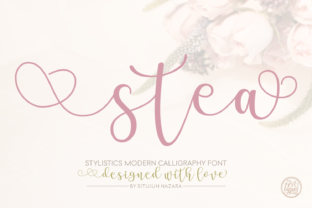
Stea: A Decorative Script Font for Editorial Design
There is a specific moment in every publishing project where the layout feels technically correct but emotionally flat, usually right before you find Stea, a fun, decorative script font created by Situjuh Nazara that transforms standard headers into inviting art. I was recently working on a redesign for a lifestyle blog that needed to feel more personal and less like a corporate news feed, and scrolling through my library of Fonts, I realized the missing ingredient was a Script Handwritten typeface with genuine character. Stea offers exactly that kind of warmth, bringing a rhythmic, human touch to digital pages that often feel too sterile.
Using Stea for Lifestyle Blog Headers and Brand Identity
When integrating Stea into a blog header, the first thing you notice is how the Script Handwritten style immediately establishes a connection with the reader, making the site feel like a curated magazine rather than a generic template. This font excels in editorial design because it doesn't just display text; it performs it, using its decorative swashes to frame titles and draw the eye naturally to the most important content on the page. For bloggers and publishers, choosing the right Fonts is about more than aesthetics; it is about setting a mood, and Stea sets a mood of creativity, approachability, and elegance. The decorative characters are particularly useful for gluing words together or adding flourishes to the beginning and end of headlines, creating a seamless visual flow that guides the reader's attention without feeling forced.
Crafting Elegant Wedding Guides and Invitation Layouts
In the world of wedding planning and event coordination, the typography used in guides and invitations carries the weight of the occasion's tone, which is why Stea is such a powerful tool for designers in this niche. As a decorative script font, it brings a level of sophistication and celebration to chapter openers and section dividers that standard serif or sans serif fonts simply cannot match. When laying out a digital wedding guide or a printable planner, the ability to use stunning decorative characters to decorate the end and beginning of words allows for a custom, hand-lettered look without the cost of commissioning an illustrator. This makes Stea an invaluable asset for creators who need to produce high-quality, visually engaging content quickly while maintaining a premium feel.
Enhancing Recipe Ebooks with Decorative Script Accents
For food writers and cookbook authors, the visual presentation of a recipe is just as important as the instructions themselves, and Stea provides the perfect Script Handwritten solution for titling dishes and highlighting key ingredients. Using this font in a recipe ebook adds a layer of authenticity, suggesting that the recipes are passed down through generations or crafted with personal care. The decorative elements of Stea can be used to create beautiful pull quotes or to emphasize the name of a signature dish, making the page layout feel dynamic and appetizing. When paired with a clean, readable serif font for the body copy, Stea creates a balanced hierarchy that ensures the reader can easily follow the steps while enjoying the visual beauty of the design.
Designing Coaching Workbooks with Personal Touch
Coaches and course creators often struggle to make their digital workbooks feel engaging and less like dry manuals, but incorporating Stea into the design can instantly inject personality and motivation into the material. As a fun, decorative script font, it works wonderfully for worksheet headers, affirmation cards, and section breaks, helping to break up dense text and keep the learner inspired. The unique ability of Stea to glue words together with its flowing ligatures means that phrases like "Your Journey" or "Weekly Goals" appear as cohesive, artistic units rather than separate words. This attention to detail in typography signals to the student that the content was crafted with intention, fostering a deeper sense of trust and engagement with the brand.
Optimizing Newsletter Graphics for Higher Engagement
In the crowded inbox of a modern subscriber, standing out requires more than just a catchy subject line; it requires visual distinctiveness, which is where Stea shines as a standout choice among Fonts for email marketing. Using this Script Handwritten typeface for newsletter headers or graphic overlays can make your communications feel like a personal letter from a friend rather than a automated blast. The decorative characters allow for creative experimentation with layout, letting you frame key announcements or special offers in a way that feels celebratory and exclusive. Whether you are designing a weekly digest or a promotional flyer, Stea helps to build a consistent brand identity that readers recognize and look forward to seeing.
Pairing Stea with Serif and Sans Serif for Readability
While Stea is undeniably beautiful as a display font, understanding how to pair it with other typefaces is crucial for maintaining readability across different devices and formats. For long-form content like articles or ebooks, it is best to reserve Stea for titles, subtitles, and short decorative accents, pairing it with a highly legible serif font for the body text to ensure comfortable reading on screens. Alternatively, for modern, minimalist layouts, pairing Stea with a geometric sans serif font can create a striking contrast that highlights the organic nature of the script. This balance ensures that the decorative qualities of Stea enhance the user experience without overwhelming the content, making it suitable for everything from mobile blogs to printed magazines.
Selecting the Right License for Commercial Projects
Before finalizing any design project, whether it is a client logo, a template for sale, or a published book, it is essential to review the licensing terms associated with Stea to ensure compliance and peace of mind. As a premium font created by Situjuh Nazara, Stea offers a range of possibilities for commercial use, but understanding the specific permissions regarding web embedding, app integration, or print run limits is a necessary step for professional designers. Investing in the correct license not only supports the creator but also protects your own business from potential legal issues, allowing you to use these stunning decorative characters with confidence in your branding and marketing materials. By choosing the right tools and respecting intellectual property, you elevate the quality and professionalism of your entire publishing portfolio.